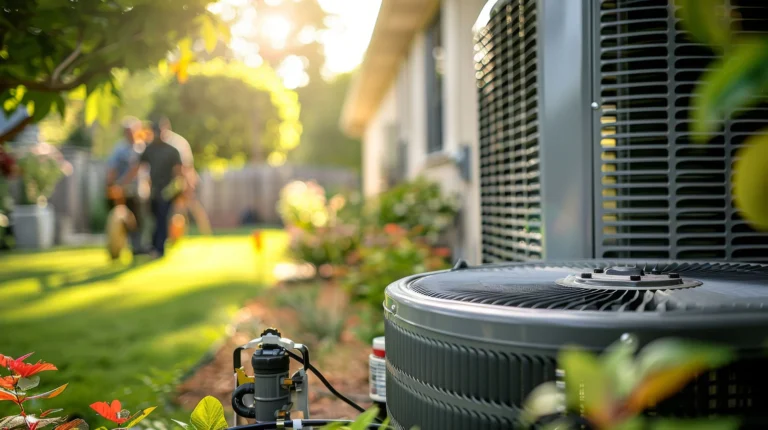

Sizing an HVAC system correctly is the single most important decision made before any equipment is installed. An oversized furnace short-cycles, wearing out components and leaving temperature swings throughout the house. An undersized air conditioner runs constantly and never quite catches up on a hot afternoon. At Jim's Heating and Cooling, we start every installation in Meridian, ID with a load calculation that accounts for square footage, insulation levels, window placement, ceiling height, and the direction your home faces. This is the groundwork that separates a comfortable, efficient system from one that disappoints for the next fifteen years.
Getting the Load Calculation Right
The industry method we follow is a Manual J calculation, which measures the heating and cooling demand of each specific home rather than relying on a rough rule of thumb. We measure the thermal envelope, count the occupants, and factor in local climate data for the Treasure Valley. Meridian summers push equipment hard, and winters demand reliable heat, so the numbers must reflect both extremes.
Once we know the actual demand, we match it to equipment rated in British Thermal Units for heating and tons for cooling. A properly matched system holds a steady temperature, controls humidity, and uses less energy. Since our founding in 1976, we have watched HVAC technology advance dramatically, and we apply that experience to recommend equipment that fits your home instead of pushing the largest unit available.
Common Installation Scenarios We Handle
No two installations look exactly alike. Over the decades, we have worked through nearly every situation a Meridian homeowner might face, and each one calls for a slightly different approach.
- New construction: We coordinate with builders to route ductwork, plan condensate drainage, and place equipment before walls are closed. This lets us design a system with balanced airflow from the start.
- Full system replacement: When an aging furnace and air conditioner both reach the end of their service life, we replace them as a matched set so the components communicate correctly and operate at their rated efficiency.
- Adding air conditioning to a heat-only home: Older Meridian homes sometimes have a furnace but no central cooling. We evaluate the existing ductwork, add a coil and condenser, and verify the blower can move the required air volume.
- Heat pump conversions: Homeowners looking to consolidate heating and cooling into one efficient system often choose a heat pump, and we size and configure these for our regional climate.
Each scenario begins with a conversation about your comfort goals, energy priorities, and budget. Air Conditioner Installation and Heating Installation both benefit from this planning stage, and skipping it is where many problems begin.
The HVAC Installation Process Step by Step
Once equipment is selected, the physical work follows a disciplined sequence. We protect your floors and work areas, remove old equipment responsibly, and prepare the space for the new system. Refrigerant lines are cleaned or replaced, electrical connections are brought up to code, and the condensate management system is verified to prevent water damage.
Ductwork receives close attention during installation. Leaky or poorly sealed ducts can waste a significant portion of the air a system produces, so we seal joints and confirm that supply and return runs are balanced. After the equipment is set and connected, we charge the refrigerant to the manufacturer’s specification, calibrate the thermostat, and test the system through a full cycle. We measure airflow, temperature differential, and static pressure to confirm the installation performs as designed rather than assuming it will.
Technical Details That Protect Your Investment
Efficiency ratings matter, and understanding them helps you choose wisely. Cooling equipment is rated by SEER2, while furnaces carry an AFUE percentage that reflects how much fuel converts to usable heat. Higher ratings usually mean lower operating costs, though the right balance depends on how long you plan to stay in the home.
- SEER2 rating: Higher numbers indicate more efficient cooling and lower summer utility bills.
- AFUE percentage: A measure of furnace efficiency, with modern units reaching well above ninety percent.
- Variable-speed equipment: These systems adjust output to match demand, improving comfort and reducing noise.
As a full-service HVAC Company, we stand behind our work long after the installation is complete. Jim's Heating and Cooling is on-call and ready to respond 24 hours a day, 365 days a year, so if a question or concern arises, help is never far away. HVAC Installation done right is an investment that pays back in comfort and lower bills for years, and we treat every Meridian project with that long view in mind.