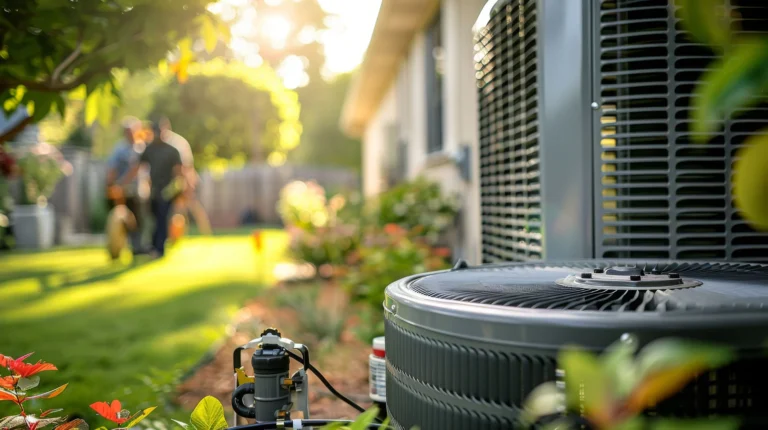

DIY vs Professional HVAC Services: Knowing When to Put Down the Wrench and Call the Experts
Homeowners across Boise, Meridian, Eagle, Garden City, Star, and Middleton take pride in tackling household projects themselves. There’s genuine satisfaction in solving a problem with your own two hands, and the internet has made it easier than ever to find tutorials for nearly any home maintenance task. However, when it comes to heating and cooling systems, the line between a smart DIY fix and a costly mistake can be razor thin. Knowing where that line falls can save you thousands of dollars, prevent dangerous situations, and extend the life of your HVAC equipment.
At Jim’s Heating & Cooling, we’ve been serving Idaho homeowners since 1976, and we’ve seen just about every kind of DIY repair attempt imaginable. Some were impressive, others were heartbreaking, and a few were genuinely dangerous. Our goal isn’t to discourage you from caring for your own home. Instead, we want to help you understand which tasks make sense to handle yourself and which ones warrant a call to a licensed technician.
HVAC Tasks Homeowners Can Confidently Handle
Plenty of routine maintenance falls well within the comfort zone of an average homeowner. Performing these tasks regularly can actually reduce the number of professional service calls you’ll need over the lifespan of your system. Manufacturers design certain components specifically so consumers can interact with them safely, and keeping up with these small jobs makes a meaningful difference in efficiency and equipment longevity.
Here are tasks most homeowners can manage safely without specialized training:
- Replacing air filters every one to three months keeps airflow strong and reduces strain on the blower motor, which is one of the most expensive components to replace.
- Clearing debris around outdoor units by removing leaves, grass clippings, and overgrown vegetation within two feet of the condenser ensures proper airflow during summer cooling cycles.
- Adjusting and programming thermostats to match your daily routine can lower energy bills without any tools or technical knowledge required.
- Cleaning supply and return vents with a vacuum and damp cloth prevents dust buildup that circulates throughout your living spaces.
- Checking the condensate drain line for visible clogs near the indoor unit can prevent water damage during humid stretches of the year.
When DIY Becomes Risky or Illegal
The trouble starts when homeowners attempt repairs that involve refrigerant, electrical components, gas connections, or sealed system diagnostics. Refrigerant handling, for example, is federally regulated under EPA Section 608. Only certified technicians can legally purchase or handle refrigerants like R-410A. Attempting to recharge a system yourself isn’t just illegal, it’s a strong indicator that you’re treating a symptom rather than the actual problem, which is almost always a leak that requires professional detection and repair.
Electrical work on furnaces and air conditioners presents similar concerns. Capacitors can hold lethal charges even when the system is powered off, and incorrectly wired components can cause fires, void manufacturer warranties, and create dangerous code violations. Gas furnace repairs are even higher stakes. A misaligned heat exchanger or improperly seated burner can introduce carbon monoxide into your home, putting your family at serious risk without any visible warning signs.
Signs You Should Stop and Call a Professional
Even when a task seems manageable, certain warning signs indicate that the situation has moved beyond DIY territory. Recognizing these moments early can prevent minor issues from cascading into major equipment failures or safety hazards.
- Unusual smells coming from vents particularly burning, electrical, or rotten egg odors that may indicate gas leaks, electrical shorts, or microbial growth requiring immediate attention.
- Repeated tripped breakers or blown fuses which signal underlying electrical problems that will only worsen if ignored or repeatedly reset.
- Ice forming on indoor coils or refrigerant lines typically pointing to low refrigerant levels, airflow restrictions, or failing components that need professional diagnostics.
- Inconsistent temperatures between rooms often caused by ductwork issues, zoning problems, or system sizing concerns that require specialized testing equipment.
- Short cycling or systems that run constantly indicating compressor trouble, thermostat malfunctions, or sizing mismatches that go beyond surface-level fixes.
Why Professional Service Pays Off Long-Term
When you bring in trained technicians, you’re paying for more than labor. You’re paying for diagnostic equipment, manufacturer training, code compliance, warranty protection, and accountability. Jim’s Heating & Cooling has built decades of trust throughout the Treasure Valley by providing AC repair, AC installation, heating service, and furnace repair backed by proper certifications and ongoing training. We’re on-call and ready to respond 24 hours a day, 365 days a year, which matters tremendously when a heating system fails on a January night or an air conditioner quits during a July heat wave.
The smartest homeowners aren’t the ones who do everything themselves. They’re the ones who know exactly when to put down the wrench, pick up the phone, and let experienced professionals handle the work that protects their home, their family, and their investment.